Table of Content
A furnace creates heat that is distributed throughout a home, but a heat pump absorbs heat energy from the outside air and transfers it to the indoor air. When in cooling mode a heat pump and an air conditioner are functionally identical, absorbing heat from the indoor air and releasing it through the outdoor unit. Click here for more information about heat pumps vs air conditioners.
The most efficient natural gas furnace, for example, might work at 98% efficiency. What that means is that for every 100 units of energy that the furnace consumes, 98 units are converted into useful heat. Baseboard heaters and electric furnaces, to give a few more examples, operate at 100% efficiency. If you aren’t interested in the mechanics of how a heat pump works, that’s really all you need to know. And they are the most efficient way to heat and cool a home.
Boost your HVAC knowledge
This is because it’s too cold outside, and there is little or no heat energy for the heat pump to extract. For this reason, heat pumps are not so ideal in heating buildings when temperatures fall below 40 degrees Fahrenheit. If you live with a colder winter, a heat pump could still be a good option for your home. Just pair it with a furnace or another electric heating source! The heat from the furnace will keep you warm when the weather gets cold while your home runs more efficiently the rest of the year. Heat gets absorbed into the refrigerant in the outside unit and then gets released inside.
From there, the heat is extracted from the water, and that water returns to the well or surface lake. More water is then pumped from the well to extract more heat in a continuous open loop. Home heat pumps are usually split systems with an outdoor and an indoor component installed through the wall. Depending on the type of system, it may be one or more indoor components to distribute heat. As we have seen, a heat pump warms your house by extracting warm air from the outside air and sending it into the house.
Heat Pump Maintenance
You would have to have a crazy cold snap for it not to be able to provide any heat. One of the questions I always ask is, “Which room doesn’t get very good airflow? ” Or “What’s the problem room where it’s either too hot or too cold? ” The reason I do that is sometimes there are minor adjustments that can be made to increase comfort.

Since 2007, we’ve installed hundreds of heat pumps for homeowners in Portland and Bend, Oregon. A heat pump can save 50% on energy bills compared to conventional heating and cooling systems. In all but four states , it costs less to heat a home with an air-source heat pump than with a high-efficiency gas furnace.
You’re Comfortable With Higher Upfront Costs
Modern inverters allow heat pumps operate at a huge range of speeds - from 20 or 25% up to more than 200% of power consumption . The result is that you get more consistent temperatures throughout your home, even at the peak of summer or winter. Using heat pumps instead can make a significant dent in the greenhouse gas emissions of buildings. In this article, we discuss how heat pumps are the more sustainable option, as well as other buyer benefits, costs, and buying tips. Trane offers a variety of heat pump options that are known for being energy efficient, quiet, and cost effective.
Some units have been known to function well for 50 years or more. This heat transfer is logical and makes sense to most people. The flow in a heat pump is a looped system, and the flow is reversed in the wintertime so that the heat transfer is reversed as well. A hybrid heating system monitors the temperature outside and automatically chooses the most energy efficient option to keep your home consistently warm and your hot water running.
What is a heat pump?
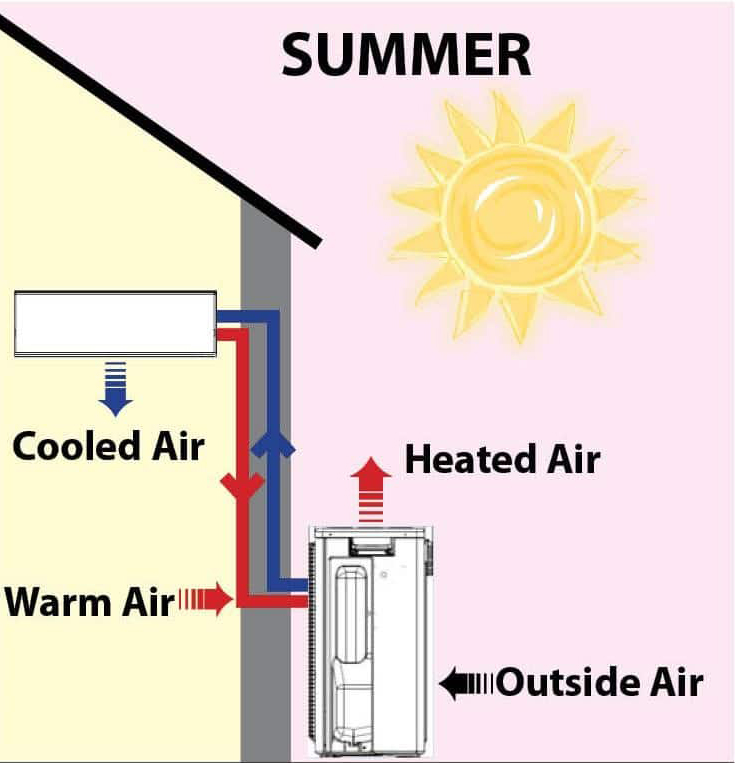
During winter season, it moves heat from the cool outdoors into your warm home, and during the summer months, it moves heat from your cool home into the warm outdoors. Modern pumps save energy in large part because they simply move heat rather than generate heat. With the ongoing rise of average temperatures due to climate change, those expenses are only going to go up. Running on electricity, heat pumps can help keep those cost rises to a minimum. Individual states will offer their own local IRA guidelines, including point-of-sale rebates on any heat pump for home heating and cooling for low and moderate-income households.
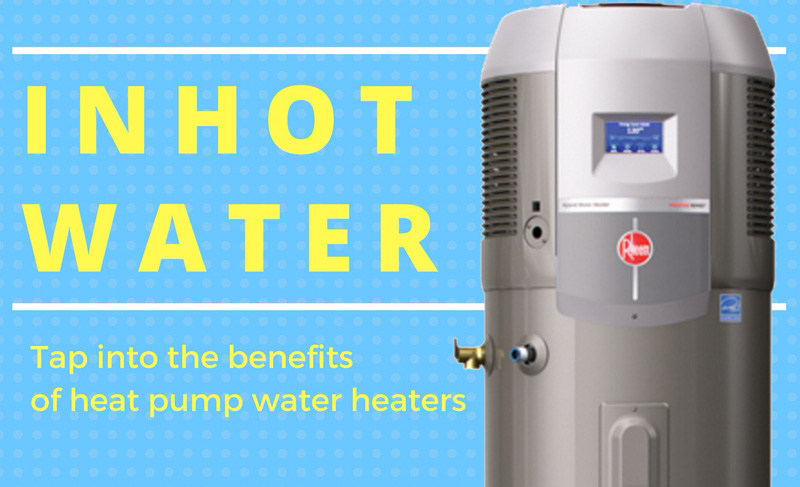
Heat pumps offer an energy-efficient alternative to furnaces and air conditioners for all climates. Like your refrigerator, heat pumps use electricity to transfer heat from a cool space to a warm space, making the cool space cooler and the warm space warmer. During the heating season, heat pumps move heat from the cool outdoors into your warm house. During the cooling season, heat pumps move heat from your house into the outdoors. Because they transfer heat rather than generate heat, heat pumps can efficiently provide comfortable temperatures for your home. Geothermal (ground-source or water-source) heat pumps achieve higher efficiencies by transferring heat between your house and the ground or a nearby water source.
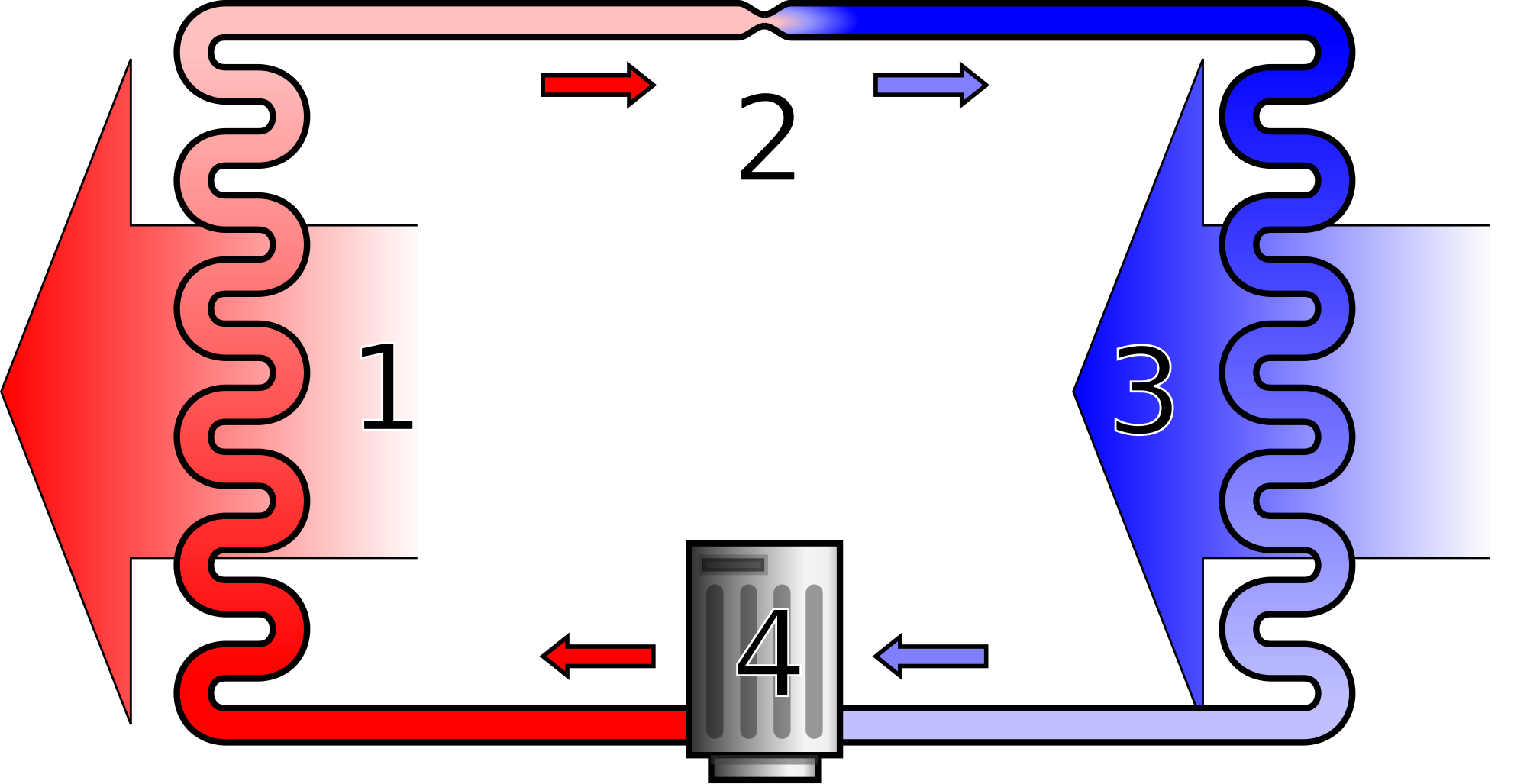
That’s why the unit that this happens in is called the evaporator. (Careful readers will note that the evaporator and condenser are really the same thing. They’re just coils whose name depends on whether we’re in heating mode or cooling mode). A heat pump absorbs energy from the outside air by offering it something even colder to flow into. It does this by pushing refrigerant through an expansion valve in order to reduce the pressure. At this lower pressure, the boiling point goes down and the refrigerant boils.
If the dampers are closed, there won’t be airflow coming from a vent. I’m the hero of the day, and it only took me all of two seconds. We have definitely lost sales over opening a damper, but our primary mission is to help. Insufficient heat creates misery for both youth and the elderly.
The compressor is the big rectangular piece that is installed outside your home. This device absorbs heat from the outside air by cooling the refrigerant in its coils below the temperature outside when you want to heat your home. It also blows the hot air that gets sucked out of your home when you want to cool your home.


No comments:
Post a Comment